“coffee beans harvest” search results (9000)
From the planting of coffee trees to the harvest of coffee beans, how to raise coffee trees
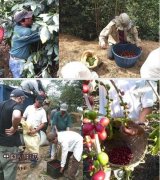
Coffee trees take 3-5 years from planting to fruiting. 6-10 years of coffee trees are the most likely to bear fruit, about 15-20 years, is the harvest period. Coffee trees are usually bred in nurseries and grow into saplings, and then moved to coffee farms a year later, in full compliance with the way the Arabs planted and cultivated coffee trees. Coffee trees will continue to take root downward and upward in the first four or five years of their growth.
2015-11-05 Coffee planting coffee beans harvest how coffee fruit 3-5 year
Panama Hope Manor boutique coffee beans
Hernando Tapasco's team, the lead botanist, set up a climate station on the estate to track weather data and help make harvest decisions. The data on the farm were collected continuously and analyzed once a week. After harvest, they will compare weather data, production data and cup test data and analyze the correlation. The harvesters of Rose Summer are strictly trained to harvest only mature cherries.
2016-05-14 Panama Hope Manor Fine goods Coffee beans Chief Botanist Herna
Introduction to the characteristics of Coffee Bean Flavor description by Brazilian Coffee Machine picking method
This method is to hit the ripe fruit or shake the coffee branch with a random stick, so that the fruit falls and accumulates into a pile. Larger estates use large harvesters, while small and medium-sized farms harvest with a sea of people mobilized by the whole family. This method of shaking the fruit off the ground is easier to mix with impurities and defective beans than the hand-picking method, and beans from some areas will be stained with a strange smell, either because
2016-10-20 Brazil coffee machine picking coffee beans flavor description grinding varieties characteristics
Harvesting and handling of coffee
Harvest occurs in different months of the year (depending on the geographical location of the producing country), depending on the maturity of the fruit. The harvest time depends on the geographical location, climate and altitude, and varies according to the situation of each producing country.
2014-06-14 Coffee knowledge coffee processing. Coffee harvest
Coffee beans-bad varieties coffee beans-picking
After harvest, peel, pulp, racing peel and silver peel should be removed before shipping and listing. There are two kinds of methods: drying (also known as natural or non-washing) and washing. Dry type: coffee beans selected coffee bean atlas shape judgment delicious coffee, from its fried coffee bean shape can be known, as shown in the following picture. Of course, there can be no bad coffee beans mixed in, but also note.
2016-05-26 Coffee beans variety bad picking harvest fruit shipping listing removal skin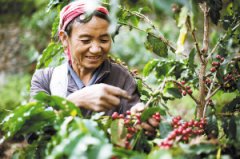
The output of coffee beans in Yunnan reached 139000 tons at the end of the harvest season from 2015 to 2016.
A few days ago, the reporter learned from the Yunnan Provincial Coffee Industry Association that the province's coffee harvest season in 2015 and 2016 has ended. Preliminary statistics show that the province's coffee production reached 139000 tons, an increase of 21000 tons over the 118000 tons in the 2014-2015 harvest season. Although the output of 139000 tons is higher than that of the last picking season, it is affected by low temperature and cold wave disaster, low market price and other factors.
2016-07-06 2015 2016 Yunnan coffee beans harvest season end output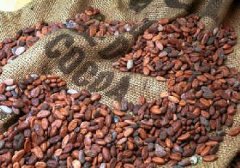
Arabica coffee beans mature from June to August.
Every winter (dry season) is the harvest period of coffee beans, coffee trees after three to four years of growth, gradually mature, began to bear fruit, fruit next to the branches arranged in a string or cluster. Coffee beans wrapped in red skin inside, as soon as red can be picked. Most Arabica beans mature between June and August, and Roberto beans between September and October. Therefore,
2015-10-07 Coffee beans harvesting processing rabbi maturity June-August annual winter dry season
Coffee Basics Coffee harvesting and production process
Harvest times vary from country to country and from region to region. The harvesting process requires a lot of manpower, especially for high-quality specialty coffee, and only fully ripe red coffee cherries can be picked. Because all coffee cherries do not ripen at the same time, it is necessary to return to the same tree several times to pick them. Coffee beans come from mature seeds called coffee cherries
2014-11-14 coffee knowledge coffee basics common sense production process
The treatment of coffee beans after harvest.
Coffee beans must be disposed of immediately after harvest so as not to go bad. The producer will use two methods of treatment: the sun method and the cleaning method. An effective way to bask in the sun is to spread the berries flat in the yard and stir the dehydrated berries from time to time to make them evenly heated and breathable. Then put the dried berries into the machine, crush the shell, and remove the shell and a layer of parchment at the same time
2015-01-17 Coffee beans processing harvest after coffee beans must immediately
Columbia Coffee Hope Manor Coffee Bean flavor
Set up a climate station in the manor to track weather data and help make harvest decisions. The data on the farm are collected continuously and analyzed once a week. After harvest, they will compare weather data, production data, cup test data, and analyze the correlation. The harvesters of Rose Summer are strictly trained to harvest only ripe cherry fruits and are paid on a daily basis, unlike other manors.
2016-06-15 Colombia Coffee Hope Manor Coffee beans Flavor Garden Establishment Climate
Processing of coffee beans after harvest drying and wet processing
After the harvest coffee bean processing: coffee berries must be processed immediately after picking to prevent pulp fermentation and decay. Coffee beans can be processed in two ways, wet and dry. The drying method is also called the natural method. Spread the coffee berries flat in the sun to dry. In the plantation, 50 square meters of coffee berries are laid on each hectare, or
2015-03-20 Coffee beans harvested processed dried wet After th
Planting and harvesting of coffee trees
The first people to drink coffee lived in Ethiopia. A drink called "Buncham" was found in the Arab scientific literature of 900-1000 AD, but it is not certain that it is coffee.
2014-09-02 Coffee knowledge coffee tree planting coffee tree picking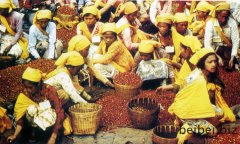
Wet and drying methods for post-harvest processing of coffee beans
After the harvest coffee bean processing: coffee berries must be processed immediately after picking to prevent pulp fermentation and decay. Coffee beans can be processed in two ways, wet and dry. The drying method is also called the natural method. Spread the coffee berries flat in the sun to dry. In the plantation, 50 square meters of coffee berries are laid on each hectare, or
2015-09-14 Coffee beans harvested processed wet dried After th
Harvest and processing of Fine Coffee
Coffee is the fruit of a Rubiaceae plant growing about 6000 feet above sea level, distributed on the world's narrow subtropical axis; coffee trees grow green all the year round and can grow up to 20 feet tall, and are generally controlled at 8 to 10 feet for easy harvest. It takes three to five years for the coffee tree to bear fruit. First of all, it produces small white flowers that resemble jasmine in shape and size, and then wither and bear deep fruit.
2014-10-16 Coffee knowledge boutique coffee science coffee harvesting coffee processing
Panama Carmen Boutique Coffee Estate
The best way to harvest fine coffee beans is to use manual harvesting. That is, only ripe coffee fruits are picked to prevent coffee fruits with inconsistent maturity from being picked at the same time. Fine coffee requires frequent and careful hand picking during harvest because underripe and overripe fruits affect the balance and stability of coffee flavor. Carmen Manor Coffee is a family-run coffee shop
2016-05-23 Panama Carmen Boutique Coffee Manor Coffee Bean Harvest Way Most
90 + flavor spectrum "Level" Gesha variety Level 195 (19) was harvested in a single producing area.
In the flavor spectrum of 90 +, there is a Level logo. It is the number after the product name mark L. For example, L12-means Level 12. The Level is probably in proportion to the price. It represents the grading model of raw beans: according to quality, quantity, production cost, 90 + based on the original excellent raw beans, continue to grade as follows: Level 7: single production area harvest. Will taste meticulous and
2016-07-11 Ninety flavor Level single producing area harvesting Gesha variety
Varieties of coffee harvested and processed
Coffee is the fruit of a Rubiaceae plant growing about 6000 feet above sea level, distributed on the world's narrow subtropical axis; coffee trees grow green all the year round and can grow up to 20 feet tall, and are generally controlled at 8 to 10 feet for easy harvest. It takes three to five years for the coffee tree to bear fruit. First of all, it produces small white flowers that resemble jasmine in shape and size, and then wither and bear deep fruit.
2015-11-06 Coffee harvesting processing variety coffee growing at 000 feet above sea level upper right
General knowledge of dealing with high-quality coffee after coffee bean harvest
Coffee beans must be disposed of immediately after harvest so as not to go bad. The producer will use two methods of treatment: the sun method and the cleaning method. An effective way to bask in the sun is to spread the berries flat in the yard and stir the dehydrated berries from time to time to make them evenly heated and breathable. Then put the dried berries into the machine, crush the shell, and remove the shell and a layer of parchment at the same time
2015-07-29 Coffee beans harvest after processing boutique coffee common sense coffee beans
Harvesting and processing of coffee
Coffee is the fruit of a Rubiaceae plant growing about 6000 feet above sea level, distributed on the world's narrow subtropical axis; coffee trees grow green all the year round and can grow up to 20 feet tall, and are generally controlled at 8 to 10 feet for easy harvest.
2014-06-17 Coffee knowledge coffee processing coffee harvesting coffee encyclopedia
Processing of coffee beans after harvest
Coffee beans must be processed immediately after harvest to avoid spoilage. Producers use two treatments: solarization and cleaning. An effective sun-drying method is to spread the berries evenly in the yard and stir the dehydrated berries occasionally to heat and aerate them evenly. The dried berries are then placed in a machine that crushes the outer shell and simultaneously removes the outer shell and the layer of parchment that surrounds it
2014-08-09 Coffee knowledge Coffee bean harvesting Coffee bean processing